
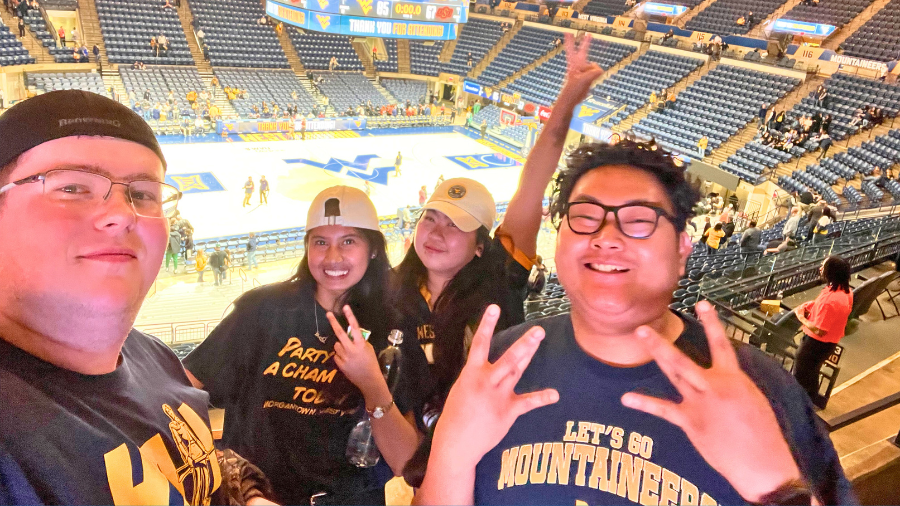
If you are an Exchange Visitor in the United States during March, you may start wondering: what is March Madness in the US, and why is everyone suddenly talking about it?
Coworkers may be discussing “brackets.” People are checking their phones more than usual. Televisions appear in offices, airports, and restaurants, even in the middle of the day.
Welcome to March Madness, one of the most talked-about sports traditions in American sports culture.
For many international visitors participating in a BridgeUSA cultural exchange program, this may be the first time experiencing the excitement surrounding the annual college basketball tournament.
What Is March Madness in the US?
March Madness is the nickname for the NCAA basketball tournament, a national college basketball tournament that takes place every spring in the United States. During the tournament, 68 college teams compete in a series of games until one team becomes the national champion.
But if you ask Americans what is March Madness in the US really about, many will tell you it’s not just basketball.
For many people, March Madness is about predicting winners, sharing friendly competition with coworkers and friends, and enjoying the excitement of unexpected results.
Even people who rarely watch basketball often get involved.
For many visitors in the United States on a J-1 visa, learning what is March Madness in the US can be one of the first examples of how sports traditions bring people together socially.

The March Madness Bracket
One of the most recognizable parts of the NCAA basketball tournament is the March Madness bracket.
A bracket is a chart that shows all of the tournament matchups. Before the games begin, many Americans try to predict which teams will win each round until a champion is chosen.
For Exchange Visitors, this tradition can seem funny at first. People may spend a lot of time discussing their choices, even though most March Madness brackets become incorrect very quickly.
In fact, it is extremely difficult to predict the entire tournament correctly. That’s part of the fun. Many people choose teams based on their favorite colors, mascots, or school names instead of statistics.
The goal isn’t perfection; it’s having something fun to talk about together, which is a big part of the cultural exchange experience.
March Madness at Work and School
Another thing that surprises many exchange visitors is how visible the college basketball tournament becomes during the workday.
Because many March Madness games happen in the afternoon, people sometimes watch them during breaks or check scores throughout the day. You might notice coworkers gathering around a television in a break room or discussing game results during meetings.
This kind of March Madness at work is common across the United States. While employees are still expected to do their jobs, many workplaces understand that people enjoy following the tournament for a few weeks each spring. For participants taking part in BridgeUSA programs, this can be a fun way to connect with coworkers and participate in everyday American sports culture.
Why Americans Love the Surprises
One reason people enjoy the NCAA basketball tournament so much is that unexpected results happen frequently.
Teams that are not expected to win sometimes defeat stronger teams. When this happens, it becomes a big story across the country.
These surprise victories are often called “upsets,” and they are one of the reasons the tournament earned the name March Madness.
The unpredictability keeps people interested, even if their March Madness bracket is no longer correct.
For many J-1 visa Exchange Visitors, these moments often become fun conversations with coworkers or friends.
You Don’t Have to Be a Sports Expert
If you are experiencing what is March Madness in the US for the first time, it is important to remember that you don’t need to understand every rule of basketball to enjoy it.
Many Americans who participate in March Madness brackets don’t follow college basketball during the rest of the year. They simply enjoy the social aspect and friendly competition.
If a coworker asks about your bracket, it’s perfectly fine to say you picked teams randomly or just want to see what happens. Many people do the same.
Participating in traditions like this is one of the small ways international visitors experience cultural exchange in the United States.
Experiencing American Sports Culture
For Exchange Visitors, learning what is March Madness in the US offers a small but interesting glimpse into American sports culture. It is a moment when sports, entertainment, and social conversation come together across the country.
For a few weeks each spring, people follow the college basketball tournament, talk about their brackets, and celebrate surprising wins.
For participants in BridgeUSA J-1 visa programs, experiences like this are part of learning about everyday life in the United States outside of work or school.
And then, almost as quickly as it started, it ends, and life returns to normal in April.
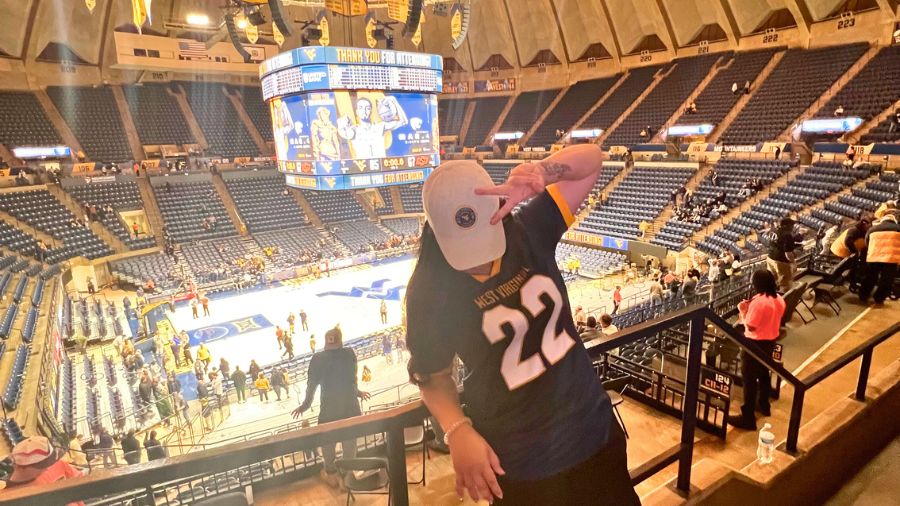
So, what is March Madness in the US?
It is more than a basketball tournament. It is a national tradition built around the NCAA basketball tournament, friendly competition, and shared excitement.
For international visitors participating in a J-1 visa cultural exchange program, it can also be a fun way to experience a unique part of American culture.
If you are an Exchange Visitor learning what is March Madness in the US for the first time, don’t worry about understanding everything right away. Just enjoy the conversations, follow the surprises, and have fun being part of this uniquely American event.