
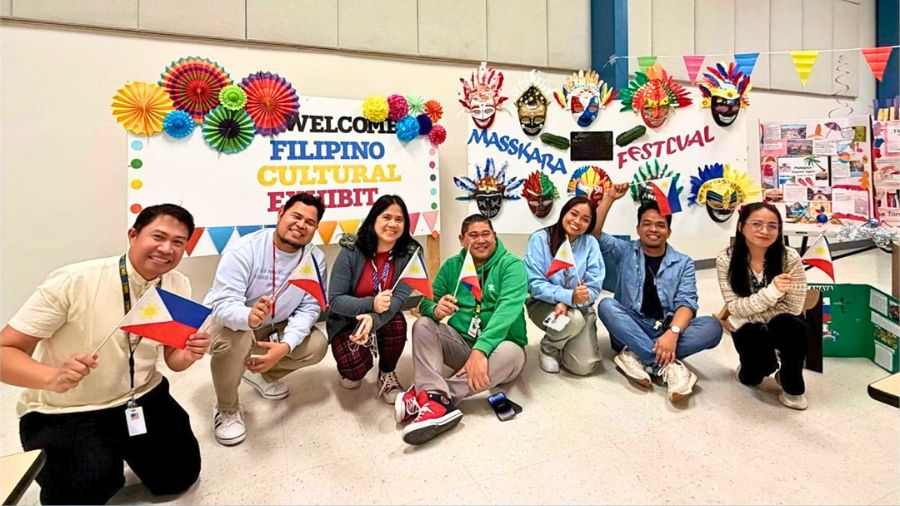
Every May, schools across the United States find ways to celebrate Asian Pacific Heritage Month. This month is dedicated to honoring the rich histories, cultures, and contributions of Americans whose roots trace back to Asia and the Pacific Islands.
For international Teachers participating in Spirit Cultural Exchange‘s BridgeUSA programs, Asian American Pacific Islander (AAPI) Heritage Month is a meaningful opportunity to engage in cultural exchange, reflect on the rich curriculum in US schools, and create interesting classroom conversations for American students to learn about the world.
May was chosen for two important historical reasons:
- May 7, 1843 marks the arrival of the first known Japanese immigrants to the United States.
- May 10, 1869 marks the completion of the Transcontinental Railroad, an achievement made possible in large part by Chinese immigrant laborers.
In 1978, President Jimmy Carter signed a joint resolution designating the first week of May as Asian/Pacific American Heritage Week. In 1992, the celebration was officially expanded to a full month under President George H. W. Bush.
Today, AAPI Heritage Month celebrates the cultures and stories of people from countries across East Asia, Southeast Asia, South Asia, and the Pacific Islands, including places such as Japan, China, Korea, India, Vietnam, the Philippines, Samoa, Hawaii, and many more.
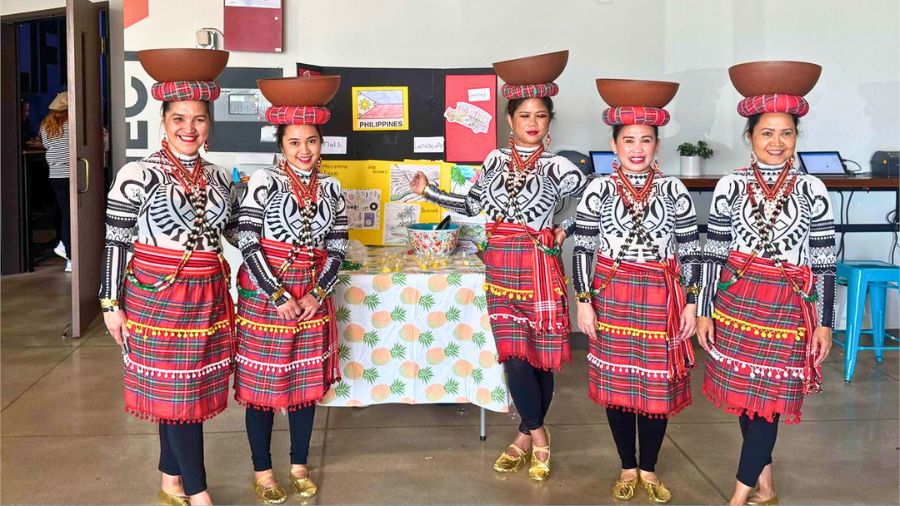
Why It Matters in US Schools
US classrooms reflect the wide range of cultural heritage of all Americans that makes the US unique. Finding ways to celebrate Asian Pacific Heritage Month helps American schools:
- Highlight contributions in science, government, literature, sports, and the arts.
- Promote cross-cultural awareness.
- Address stereotypes and encourage respectful dialogue.
- Reflect the identities of AAPI students, families, and educators.
For J-1 Teachers, this month aligns beautifully with Spirit Cultural Exchange‘s mission of cultural exchange.
Ways to Celebrate Asian Pacific Heritage Month in the Classroom
Here are a few ways to celebrate Asian Pacific Heritage Month:
1. Spotlight Inspiring Figures
Highlight exceptional American individuals of Asian heritage such as:
- Kalpana Chawla, astronaut and engineer
- Kristi Yamaguchi, Olympic gold medalist
- Mindy Kaling, writer, actress, and producer
Short biographies, videos, or student research presentations can make these stories engaging and accessible.
2. Literature Connections
Incorporate books by AAPI authors into your classroom library or read-aloud time. Students can compare themes of identity, immigration, perseverance, and belonging.
3. Cultural Exploration Projects
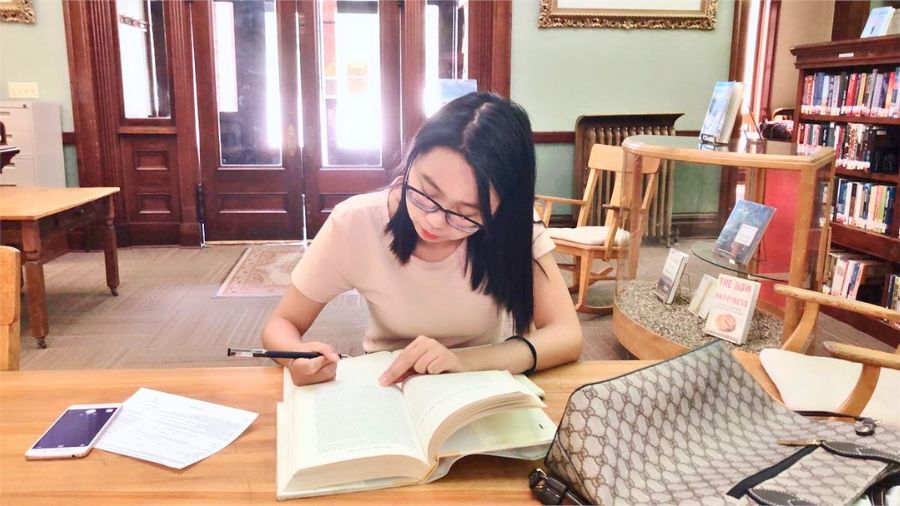
Students can explore traditions, geography, food, music, holidays, or languages from various Asian and Pacific Island cultures. Encourage respectful research and avoid oversimplifying cultures into single narratives.
4. Connect to Cultural Exchange
Invite students to reflect on their own family heritage and cultural backgrounds and how that shapes their experience as Americans. This creates a powerful connection between AAPI Heritage Month and Spirit Cultural Exchange‘s broader goal of building global understanding.
A Month of Learning and Appreciation
AAPI Heritage Month is not just about history; it’s about celebrating the ongoing contributions and vibrant cultures that shape the United States today. For Spirit Cultural Exchange Teachers, it is also a reminder of why cultural exchange matters.
As you plan your May lessons, consider how ways to celebrate Asian Pacific Heritage Month can foster meaningful conversations about heritage and American identity. Even small activities, such as a classroom discussion, bulletin board, or student research project, can make a lasting impact.
Through education and exchange, we continue building bridges of understanding one classroom at a time.